How To Spot Pure Organic Jaggery Online


Buying jaggery online feels simple until you realize how many look-alikes exist. From overly shiny blocks to suspiciously uniform colors, not everything labeled “organic” truly is. If you care about taste, health, and authenticity, learning how to identify pure jaggery online is essential. Let’s break it down, practically and honestly, without the fluff.
With the rising demand for healthier sweeteners, many shoppers now prefer organic jaggery online. But convenience also opens the door to shortcuts chemical clarifiers, artificial colors, and misleading labels. Knowing what to look for can save both your money and your health.
What Makes Jaggery Truly “Organic”?
Pure organic jaggery is traditionally made by boiling sugarcane or palm sap without chemical additives. No synthetic clarifiers, no preservatives, no artificial coloring. According to India’s Ministry of AYUSH, traditional jaggery retains minerals like iron, magnesium, and potassium when processed naturally (ayush.gov.in).
Key traits of authentic organic jaggery:
Produced in small batches using traditional methods
No sulfur dioxide or phosphoric acid
Seasonal variation in color and texture
In short, inconsistency is actually a good sign here.
Visual Clues: What Your Eyes Can Tell You
When shopping online, images matter. Pure jaggery rarely looks “perfect.” If it does, pause.
Color: Natural jaggery ranges from golden brown to deep amber. Snow-white or overly dark blocks often indicate processing.
Texture: Expect slight graininess or uneven surfaces. Factory-made jaggery is usually too smooth.
Shape: Hand-poured jaggery molds vary slightly uniform cubes can be a red flag.
Many first-time buyers assume glossy equals premium. Ironically, it often means the opposite.
Read the Ingredient List (Yes, Really)
This sounds obvious, yet it’s where many people slip. A credible seller will list exactly one ingredient: sugarcane juice or palm sap. Anything else clarifying agents, lime, preservatives means it’s not truly organic.
A study published by the National Institute of Nutrition notes that chemical processing reduces jaggery’s micronutrient content significantly (nin.res.in). Less nutrition, same calories not a fair trade.
Midway Check: Sugarcane vs Palm Varieties
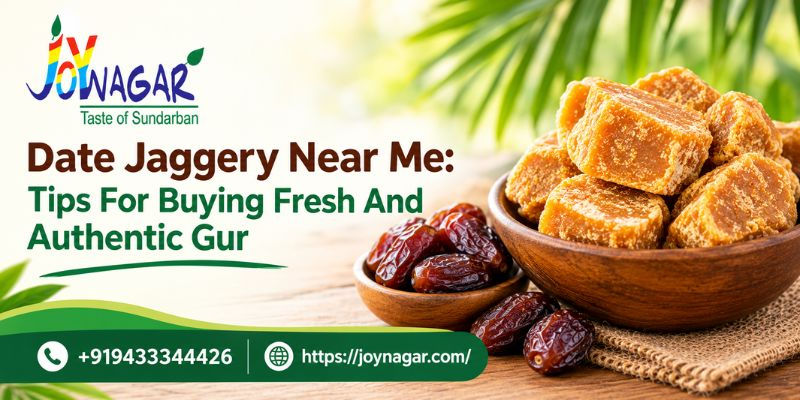
Not all jaggery is the same, and that’s a good thing. Traditional varieties like palm jaggery especially date palm have a deeper flavor and softer texture compared to sugarcane jaggery. They’re also more seasonal, which naturally limits over-processing.
If a palm jaggery product is available year-round in huge quantities, it’s worth asking how.
Smell, Taste, and the “Water Test”
Once your jaggery arrives, a few simple checks can confirm its purity:
Smell: Pure jaggery smells earthy and warm, not chemical or burnt.
Taste: It should dissolve slowly and leave a mild caramel note, not bitterness.
Water test: Drop a piece in water. Pure jaggery dissolves gradually without chalky residue.
These old-school tests still work and they don’t lie.
Check Certifications, But Don’t Rely Blindly
Certifications like “USDA Organic” or “India Organic” help, but they’re not foolproof. Smaller farmers often follow organic practices without formal certification due to cost barriers. Look for transparency harvest dates, sourcing details, and processing photos speak volumes.
According to the USDA, organic labeling is meaningful only when supported by traceability (usda.gov).
Frequently Asked Questions
1. Is organic jaggery healthier than white sugar?
Yes, in moderation. Organic jaggery retains trace minerals and antioxidants absent in refined sugar, making it a better alternative.
2. Why does organic jaggery change color over time?
Natural oxidation and moisture absorption cause color shifts. This is normal and actually indicates minimal processing.
3. Can diabetics consume organic jaggery?
It has a lower glycemic impact than sugar, but diabetics should consult a doctor before consuming.
4. How should organic jaggery be stored?
Store it in an airtight container away from moisture. Refrigeration is optional but helpful in humid climates.
Final Thoughts
Buying pure organic jaggery online isn’t about memorizing rules it’s about noticing patterns. Imperfection, transparency, and seasonality are your allies. When you choose carefully, you’re not just buying a sweetener; you’re supporting traditional food systems that value patience over polish.
Full Audio Version:- Click Here


Comments